Water Treatment System Introcution
Introduction to RO Reverse Osmosis Water Treatment Equipment & Its Application in Chicken Farm Drinking Water Systems and Agricultural Greenhouses
I. Basic Introduction to RO Reverse Osmosis Water Treatment Equipment
1. Working Principle
Reverse Osmosis (RO) adopts polyamide composite semipermeable membranes. A high-pressure pump applies pressure exceeding the osmotic pressure of raw water, forcing water molecules to pass through the membrane in reverse. With a pore size of only 0.0001 microns, the membrane can intercept 95%–99% of dissolved salts, calcium and magnesium hardness, heavy metals, bacteria, viruses, colloids and rust impurities. Low-conductivity purified water is separated out, while concentrated impurities are discharged along with concentrated water. The whole process relies on physical filtration, requiring minimal chemical agents and producing no secondary pollution.
2. Four Core Systems of Complete Equipment
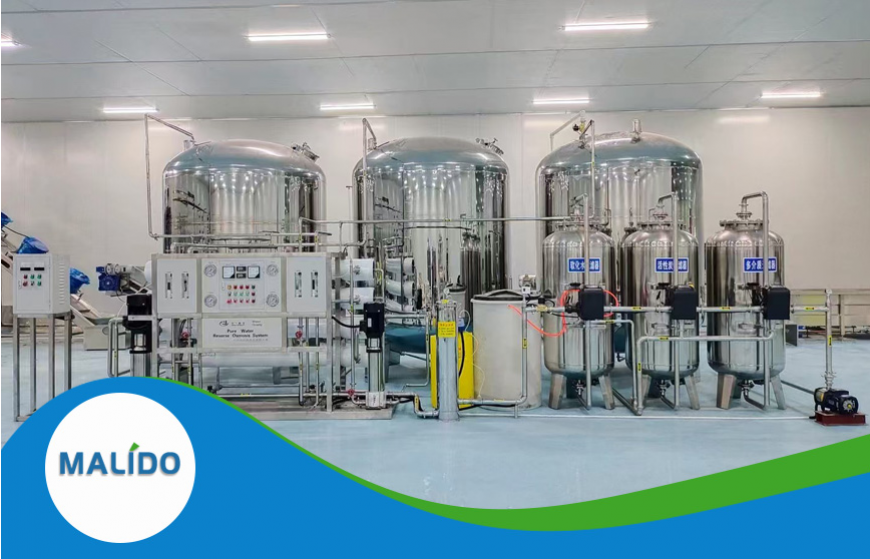
(1) Pretreatment System (Protects RO Membranes & Extends Service Life)
Multimedia filter: Removes sediment, suspended solids and rust;
Activated carbon filter: Adsorbs residual chlorine, organic matter and peculiar odors in well water;
Water softener / scale inhibitor dosing device: Reduces calcium and magnesium ions to prevent membrane scaling and clogging;
5μm security precision filter: Traps fine particles as the final protective barrier for RO membranes.
(2) Main RO Host System
Variable-frequency high-pressure pump: Provides driving pressure of 1.0–1.6 MPa; variable-frequency models save over 30% energy;
RO membrane modules: Spiral-wound reverse osmosis membranes with stable salt rejection rate of 97%–99%;
Membrane housings, pipelines, online monitoring gauges for pressure and flow rate.
(3) Post-treatment System (Customized for Livestock & Agricultural Needs)
UV sterilizer: Eliminates bacteria and algae in produced water;
pH adjustment / trace mineralization unit: Pure water lacks sufficient minerals; appropriate calcium and magnesium supplementation can be added to meet the demands of livestock drinking water and crop root growth;
Pure water storage tank, variable-frequency water supply pump for connection to farm drinking water or irrigation pipe networks.
(4) Fully Automatic Electric Control System
Supports automatic flushing, high/low pressure protection, shutdown on water shortage, concentrated water reflux adjustment and regular blowdown, enabling unattended 24-hour operation.
3. Key Performance Parameters
Salt rejection rate: 95%–99%;
Conductivity of produced water: 5–50 μS/cm;
System water recovery rate: 50%–75% (custom high-recovery models for agriculture and livestock breeding);
Applicable water sources: Well water, river water, tap water and high-salinity alkaline groundwater.
II. Application of RO Equipment in Chicken Farm Drinking Water Systems
1. Common Pain Points of Raw Water in Chicken Farms (Mainly Well Water & Surface Water)
High hardness and excessive calcium/magnesium: Scaling and clogging of water lines and drinking nipples requiring frequent disassembly and cleaning; limescale breeds biofilm, Escherichia coli and Salmonella;
High salinity, iron and manganese: Long-term intake by chickens causes diarrhea, elevated feed-to-meat ratio, reduced egg production and thinner eggshells;
Excessive bacteria and heavy metals: Higher mortality of weak chicks during brooding, frequent outbreaks of digestive tract diseases among flocks;
Ineffective medicine and vaccine administration: Calcium and magnesium ions in raw water react with veterinary drugs and vaccines, drastically reducing efficacy.
2. Core Problems Solved by RO Equipment for Breeding
Complete hardness and salt removal to protect the entire drinking water pipeline
Over 99% of calcium and magnesium ions are removed to eliminate scaling on water lines and nozzles, cutting manual maintenance work and extending pipeline service life. Without biofilm growth, the risk of intestinal disease outbreaks is greatly lowered.
Purification of heavy metals and pathogenic bacteria to improve flock health
The membrane fully intercepts iron, manganese, lead, cadmium, bacteria and viruses, boosting chick survival rate by 8%–15% and drastically reducing diarrhea and loose stool in mature chickens while improving feed conversion ratio.
Stable water quality to guarantee efficacy of veterinary drugs and vaccines
Pure water contains no interfering ions, so drug and immunization effects do not decline during drinking water administration, lowering medication costs and mitigating drug resistance.
Improved egg quality
Chickens fed with low-mineral purified water produce harder eggshells with lower broken egg rates and thicker egg whites.
3. Customized Supporting Solutions for Chicken Farms
Small-scale individual farms (under 5,000 birds): Single-stage RO with 0.5–1 ton/hour capacity, equipped with small pure water tank and UV sterilizer;
Large-scale broiler / layer farms (10,000–100,000 birds): 2–10 ton/hour variable-frequency RO units with iron and manganese removal units added to pretreatment and trace mineralization systems at the rear end;
Special units for breeder chickens and brooding: RO + UV sterilization + terminal 0.22μm fine filtration to achieve sterile pure water standards;
Reuse of concentrated water: Concentrated water can be used for site flushing and manure dilution to save water and cut costs.
4. Applicable Scenarios
Mandatory RO reverse osmosis if well water has high salinity, excessive iron/manganese and recurrent chicken diarrhea;
Simple ultrafiltration can be adopted instead of RO if water sources are clean with low TDS and only excess sediment and bacteria.
III. Application of RO Reverse Osmosis Equipment in Agricultural Greenhouses
Greenhouses cover hydroponics / aeroponics, substrate cultivation with coconut coir, greenhouse fruits and vegetables, seedling raising for flowers, and high-value cash crops such as blueberries and strawberries, which impose far stricter water quality requirements than field irrigation.
1. Core Hazards of Conventional Water Sources for Greenhouses
High salinity and elevated EC value: Long-term irrigation with high-salinity groundwater causes salt accumulation in substrates and soil, leading to root burning, seedling death and uneven plant growth;
Interference of calcium and magnesium ions with nutrient solution preparation: Calcium, magnesium and sulfate radicals in tap water precipitate with phosphorus and potassium in nutrient solutions, unbalancing fertilizer efficiency and causing malformed flowers and fruits;
Scaling clogging of drippers and micro-spray belts: Tiny drip holes are prone to scaling and blockage, generating heavy manual dredging workload;
White salt spots on leaf surfaces: Salts precipitate after irrigation water evaporates, downgrading the appearance quality of flowers and fruits.
2. Core Advantages of RO Reverse Osmosis in Greenhouses
(1) Precise EC value control for standardized planting
RO-produced water features ultra-low TDS and stable conductivity. Used as base water for nutrient solutions, it allows accurate dosing of nitrogen, phosphorus, potassium and trace elements without interference from raw water impurities, resulting in uniform crop growth and a 10%–30% yield increase (most significant for blueberries, strawberries and flowers).
(2) Elimination of substrate salinization and extended substrate service life
Low-salinity pure water avoids salt buildup in coconut coir and rock wool substrates, reducing substrate replacement frequency and cutting planting material costs. For soil greenhouses, it alleviates soil hardening and secondary salinization.
(3) Full protection of drip irrigation and micro-spray systems
Hardness ions are removed to eliminate scaling and clogging in pipelines and drippers, eliminating frequent dredging and cleaning work throughout the year and saving labor costs.
(4) Removal of heavy metals and pesticide residues, pathogens
Heavy metals in groundwater and pesticide residues from shallow farmland water are intercepted by RO membranes, lowering soil-borne diseases and root rot, complying with organic planting certification requirements.
(5) Improved market value of flowers and ornamental crops
No salt precipitation eliminates white salt spots on leaves and fruits, upgrading product appearance and market selling price.
3. Model Selection Solutions by Greenhouse Scenario
Hydroponics, aeroponics and tissue culture seedling raising: Single-stage RO + pH adjustment, with pure water EC below 50 μS/cm;
Greenhouses for blueberries, strawberries and high-end fruits and vegetables: 1–5 ton/hour RO units compatible with drip irrigation systems;
Large multi-span greenhouses (over 10 mu): Two-stage reverse osmosis with high recovery rate, with concentrated water recycled for road washing;
Matching with water and fertilizer integrated equipment: RO pure water directly connected to fertilizer mixers to realize fully automatic precision fertilization.